- Teacher: MYRRH JADE SOLIDOR
ASSAT Online Learning
Skip available courses
Available courses
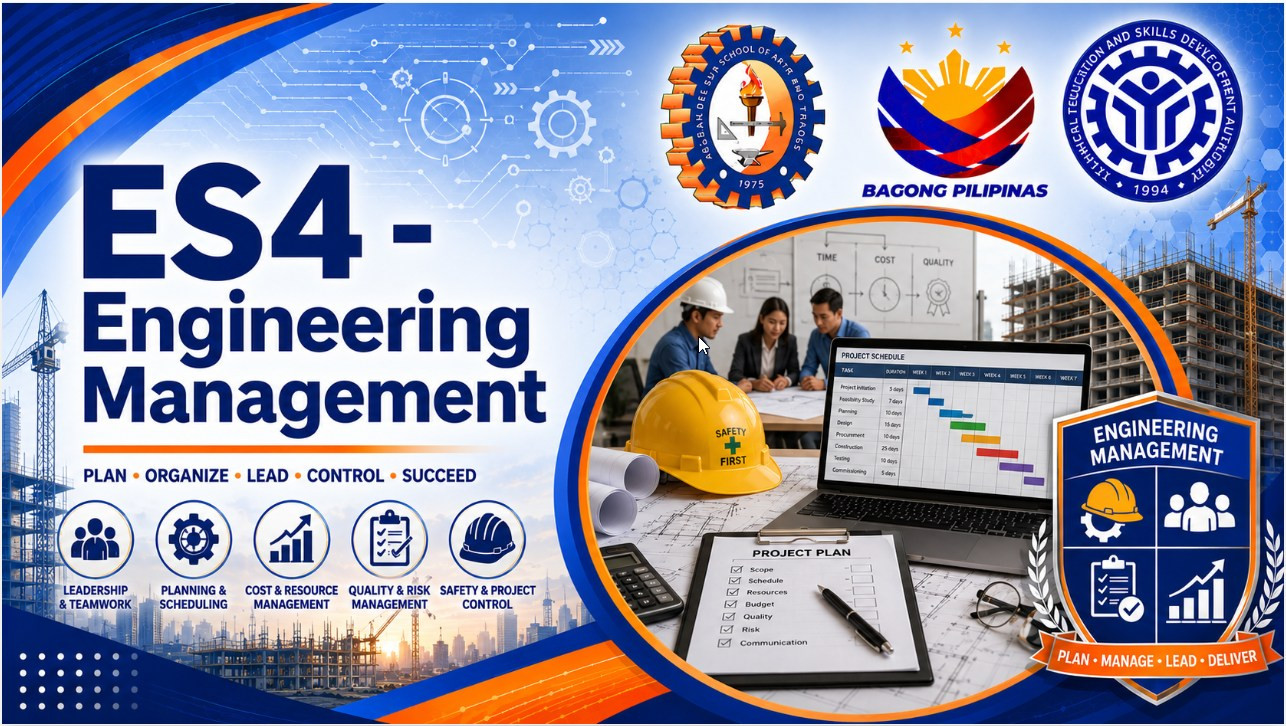
This course covers decision-making; the functions of management; managing production and service operations; managing the marketing function; and managing the finance function.
- Teacher: MYRRH JADE SOLIDOR
- Teacher: AGUSTINO CAMBALON
- Teacher: TEODORO M. DE JESUS, JR.
- Teacher: MAESTRONG TEDS
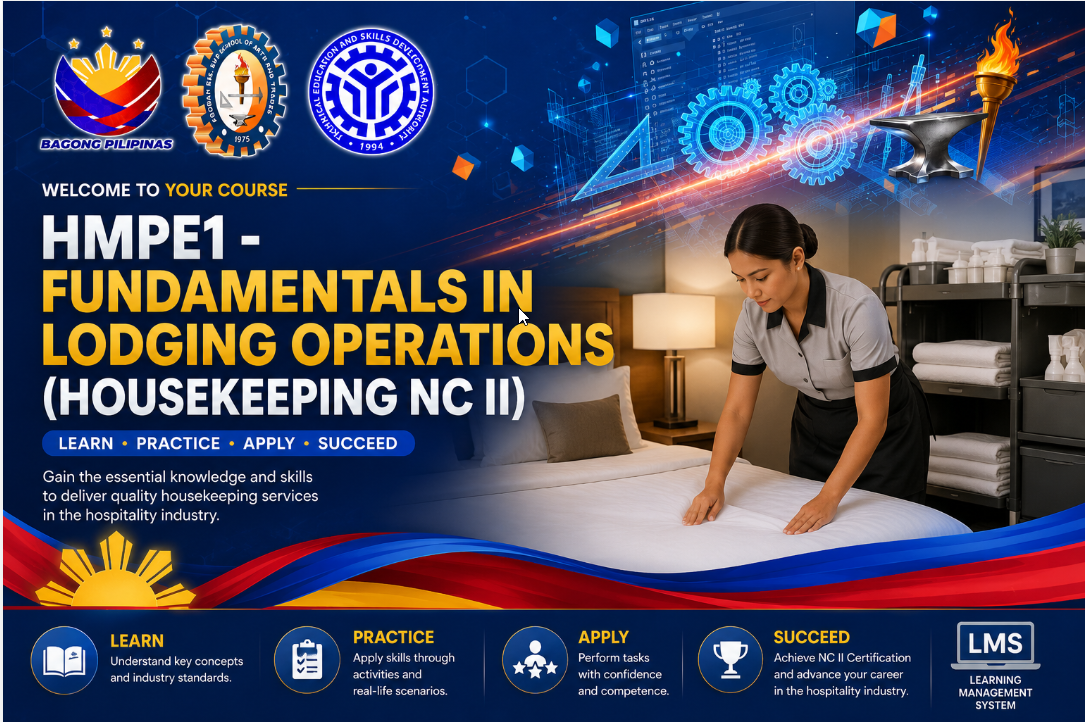
This course describes the skills, knowledge, and performance outcomes required to explore and analyze the management and practices of lodging operations and related sales activities in the major operating and support departments. It will also expose the students on the unique aspect of managing a service-based lodging establishment delivered by diverse employees and understanding of the business and financial operations of the lodging firm. The course introduces the housekeeping department of a hotel and lodging organization: its organizational structure; roles and responsibilities; functions of the department; equipment and tools for; methods and procedures of cleaning operations including linen, uniform and laundry service; general maintenance and decoration of a hotel; safety and sanitation in housekeeping; precautionary procedures; guest safety and hotel assets. Laboratory includes actual exposure in the housekeeping operations.
- Teacher: ABIGAIL JOYCE CUSAP
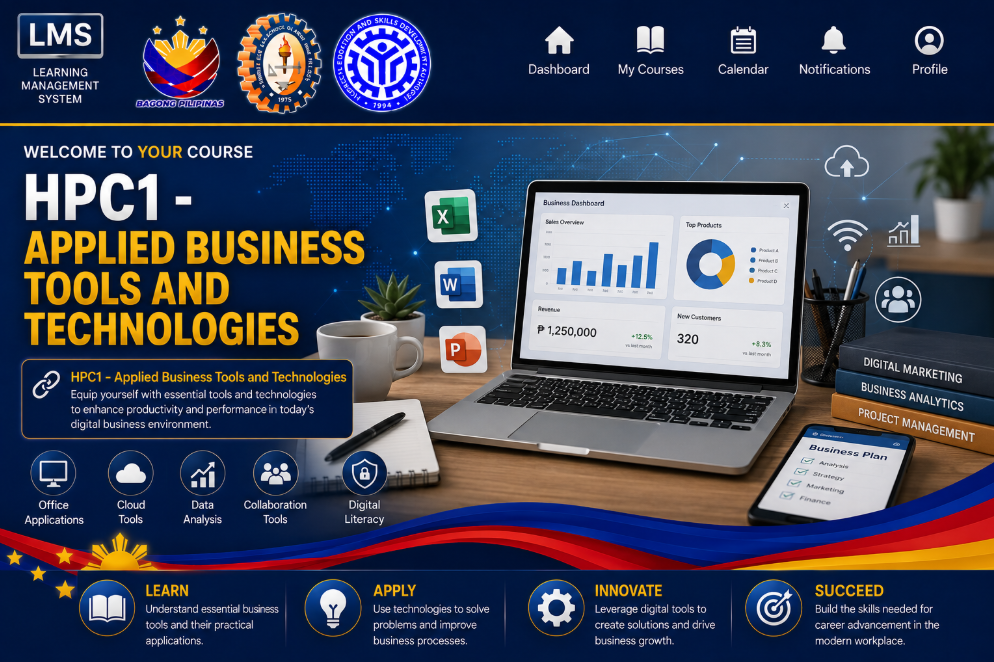
This course identifies common tools, technology and technique used in the tourism and Hospitality industry. It includes an overview of the application or systems composed of technical processes, methods, software and hardware that have evolved and streamlined certain functions in the workplace. These applications and systems include those used in (1) organization’s internal functions, (2) business-to-business operations (including operations with suppliers) and (3) business-to-business consumer transactions. The goal is to expose students to different applications so he/she can identify, learn, analyze and understand available devices and solutions, from which they can select the one/s that is most appropriate for the business function. Topics covered: how to utilize information technology applications; how to use various communication channels in dealing with guests and colleagues; how to access and retrieve electronic-based data; how to perform administrative and clerical procedures; how to receive and process reservations; how to source and to provide destination information and advice; how to produce applicable travel documentation, etc. The student will also learn to appreciate the impact of technological innovations to the economy, the industry the organization’s business model and to specific functions/operations of the organization. This will also ensure that the students will also know the value of including tools and technology in its business strategy.
- Teacher: ABIGAIL JOYCE CUSAP
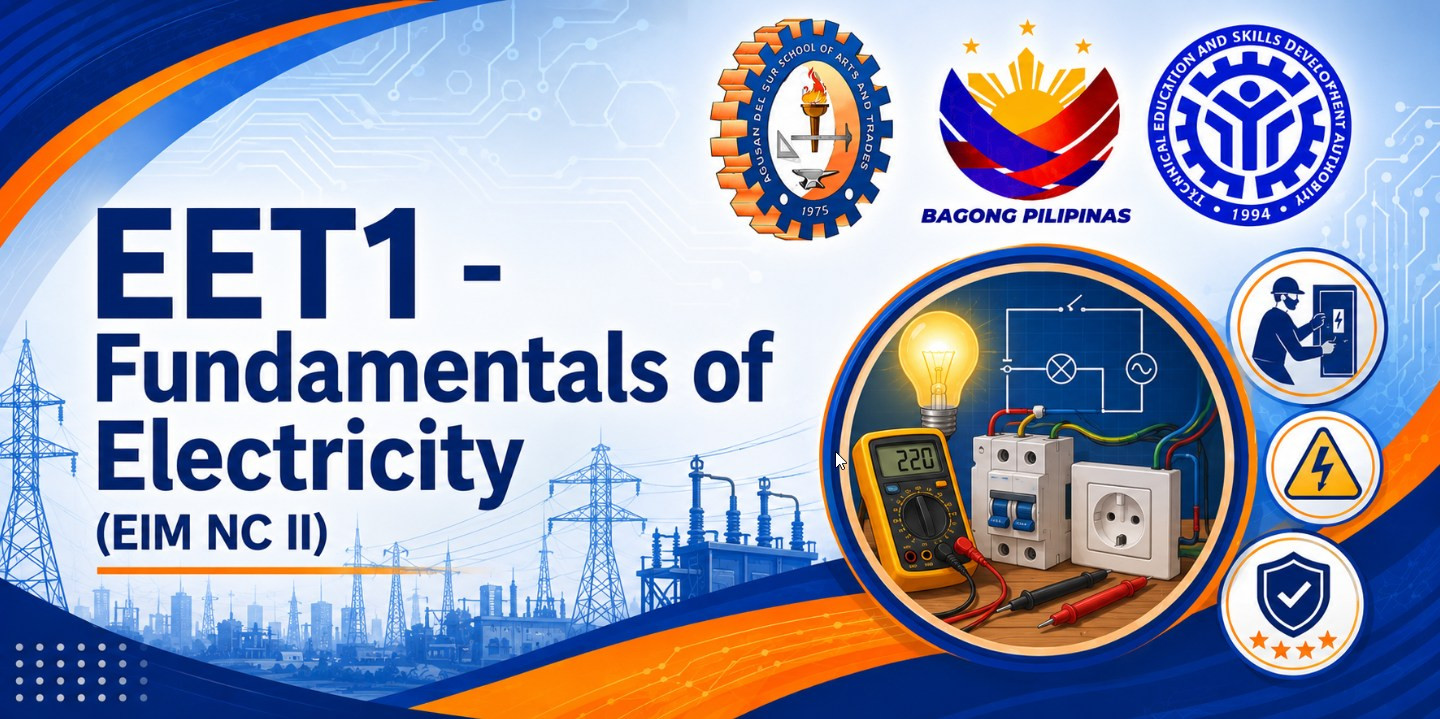
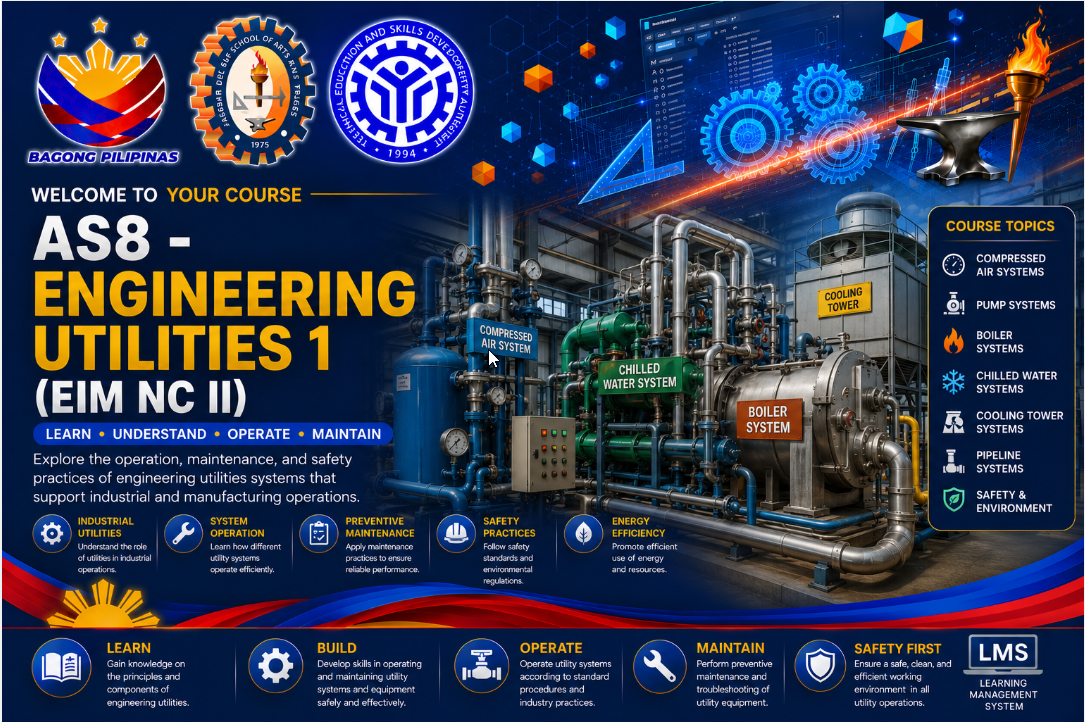
This course is designed to provide trainees with knowledge, skills and proper attitude to install and maintain electrical wiring, lighting and related equipment and systems where the voltage does not exceed 600 volts in residential houses/buildings.
- Teacher: MANELYN DELIMA
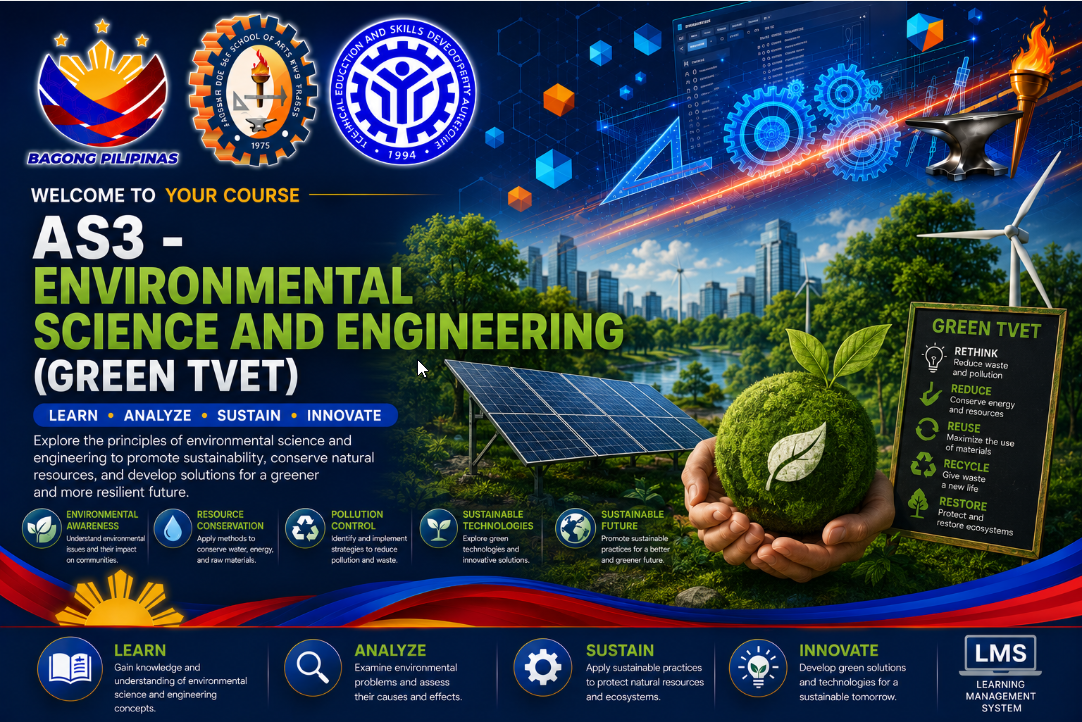
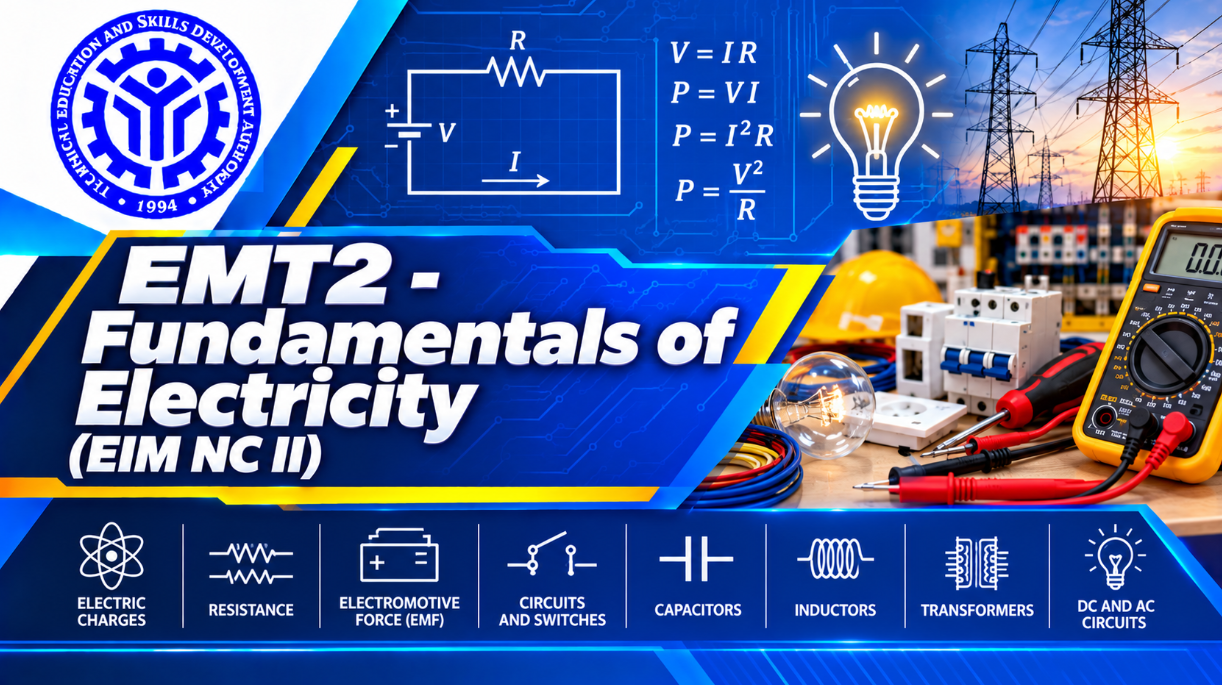
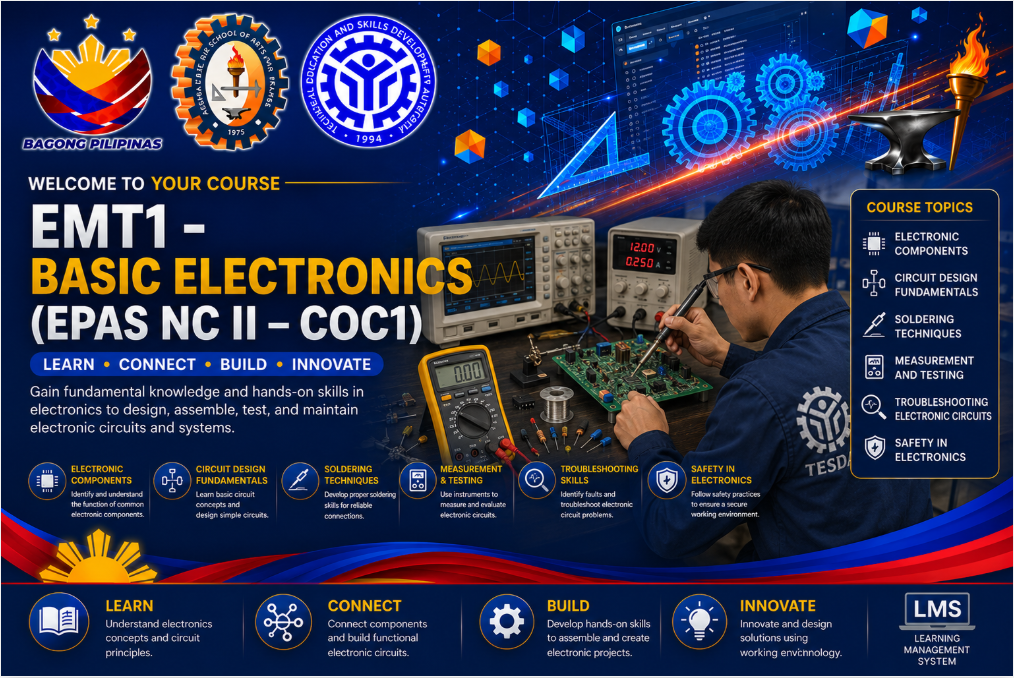
The students will develop knowledge, skills and values on the basic principles of personal hygiene, food safety and sanitation as applied in tourism and hospitality industry. Topics include the following compliance with workplace hygiene procedures. Establishment and maintenance of a safe and secure workplace, implementation of occupational health and safety procedures and performing basic First Aid procedures.
- Teacher: LEA GOZON
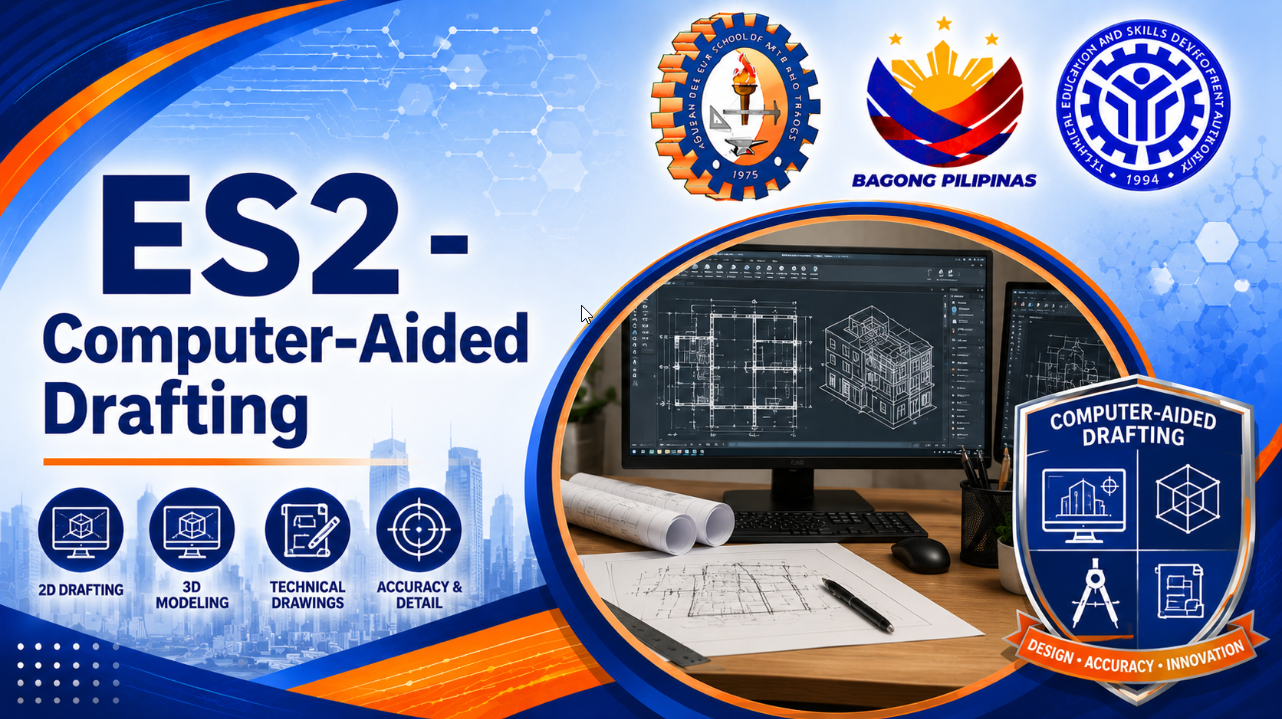
This course introduces students to the principles, tools, and techniques of Computer-Aided Drafting (CAD) as applied to technical and engineering drawing. It covers the evolution of drafting from manual to digital methods, CAD hardware and software environments, precision 2D drawing and editing techniques, dimensioning and annotation standards, multiview and sectional drawing conventions, sheet layout and plotting, and an introduction to 3D solid modeling. Emphasis is placed on developing accuracy, adherence to drafting standards (ANSI/ISO), and readiness for CAD applications in architecture, engineering, and manufacturing. Through hands-on plate exercises, students progressively build a complete drafting portfolio, culminating in a 3D solid model derived from their own 2D work.
- Teacher: CHRISTIAN JIREH ZULUETA
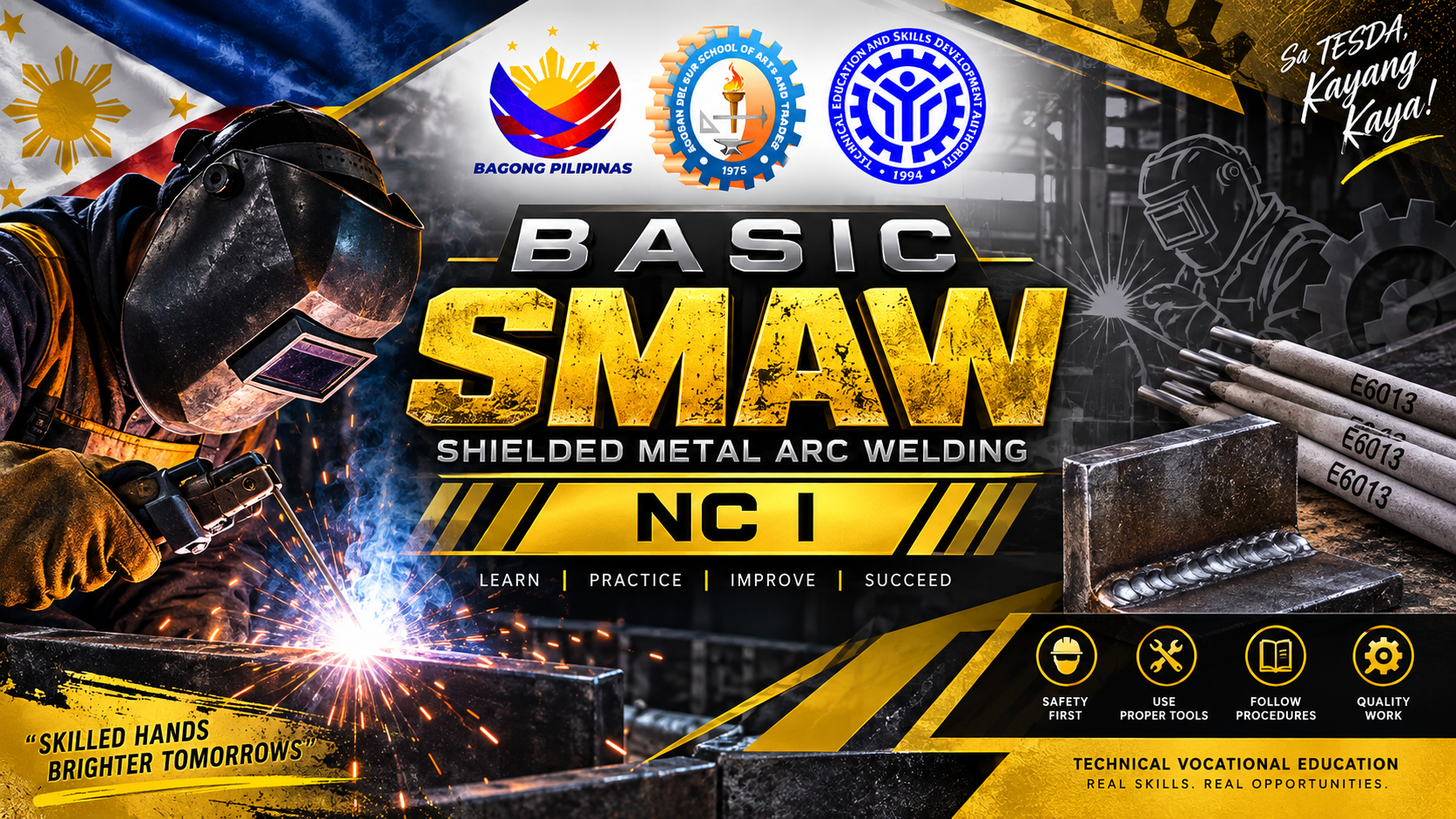
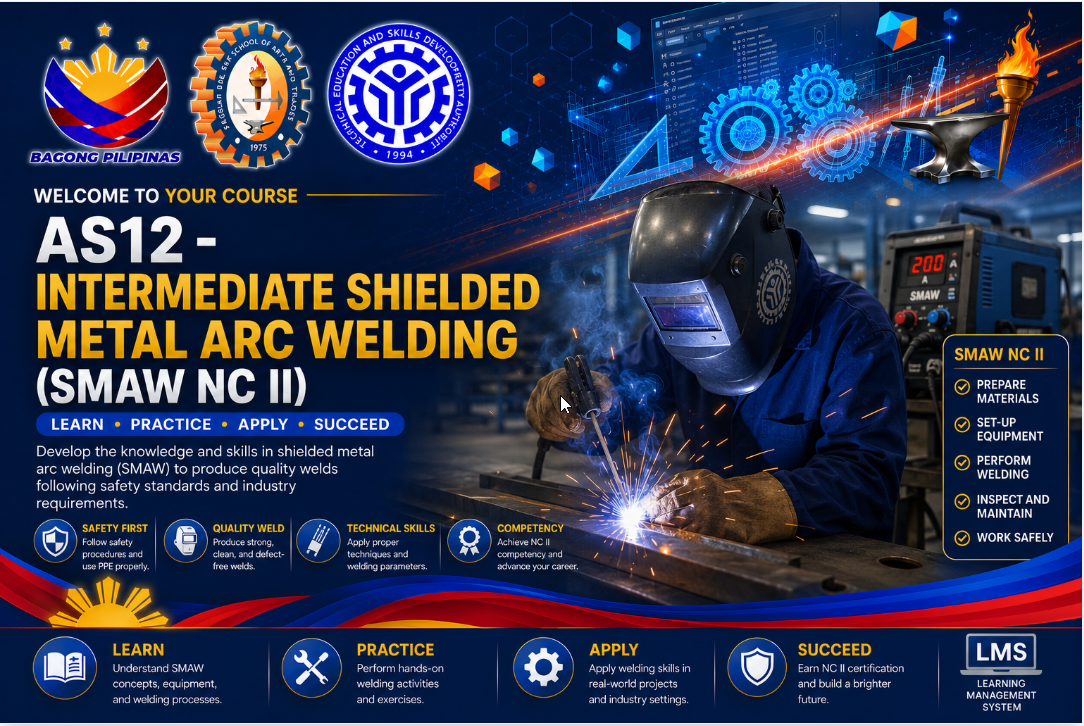
This course deals with the principles and application of Shielded Metal Arc Welding (SMAW) operations and procedures. It is designed to enhance the Knowledge, Skills and proper Attitude of SMAW welder in accordance with industry standards. It covers competencies such as Apply Safety Practices, Interpret Drawing and Sketches, Perform Industry Calculation Contribute to Quality System, use hand tools, set up welding equipment, prepare weld materials, fit-up weld materials, Safety practices, Repair welds and Weld Alloyed Steel Plates using SMAW.
- Teacher: JASON PUJEDA
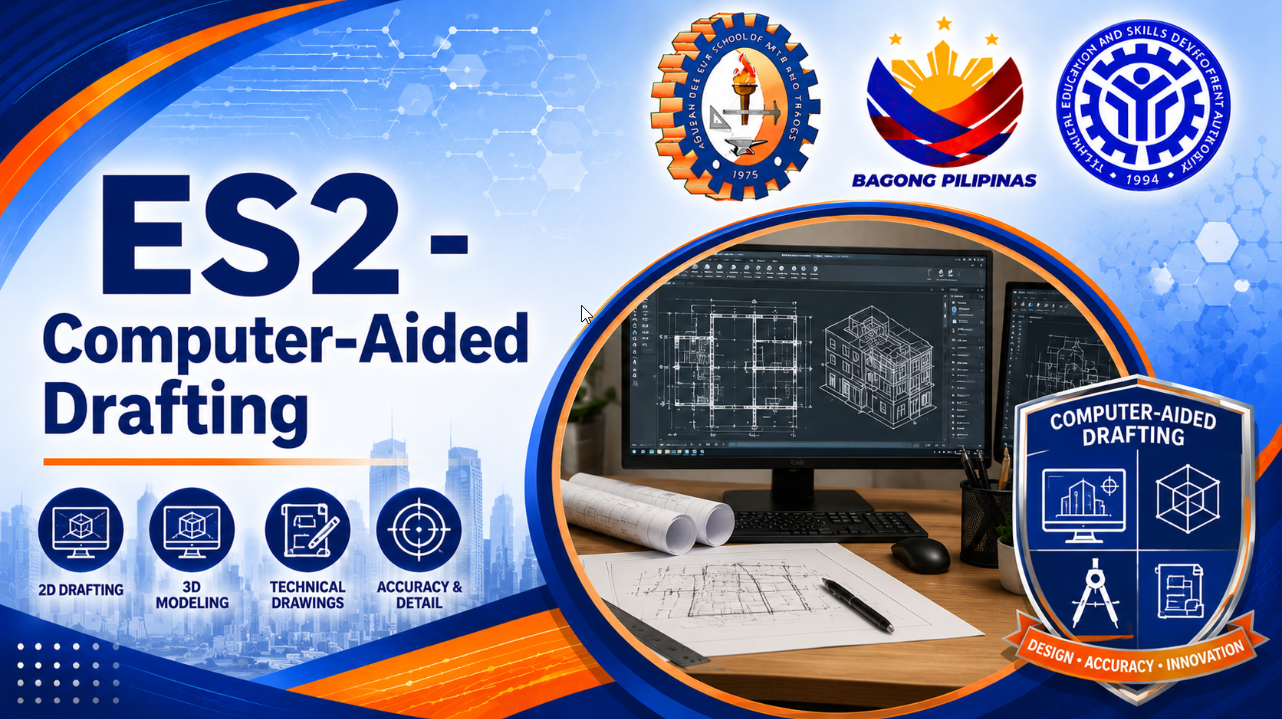
This course introduces students to the principles, tools, and techniques of Computer-Aided Drafting (CAD) as applied to technical and engineering drawing. It covers the evolution of drafting from manual to digital methods, CAD hardware and software environments, precision 2D drawing and editing techniques, dimensioning and annotation standards, multiview and sectional drawing conventions, sheet layout and plotting, and an introduction to 3D solid modeling. Emphasis is placed on developing accuracy, adherence to drafting standards (ANSI/ISO), and readiness for CAD applications in architecture, engineering, and manufacturing. Through hands-on plate exercises, students progressively build a complete drafting portfolio, culminating in a 3D solid model derived from their own 2D work.
- Teacher: LONIE REX T. ESCOBAR
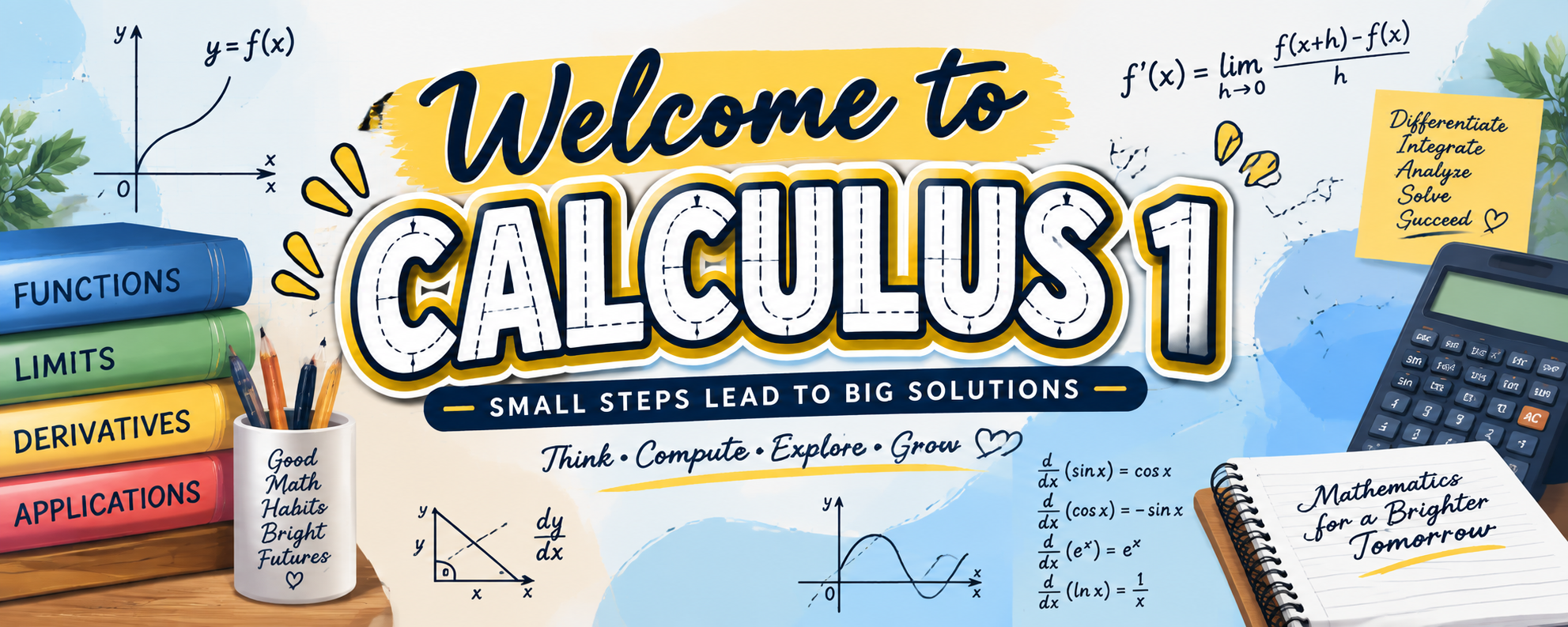
An introductory course covering the core concepts of limit, continuity and differentiability of functions involving one or more variables. This also includes the application of differential calculations in solving problems on optimization, rates of change, related rates, tangents and normal, and approximations; partial differentiation and transcendental curve tracing.
- Teacher: CECIL DE JESUS
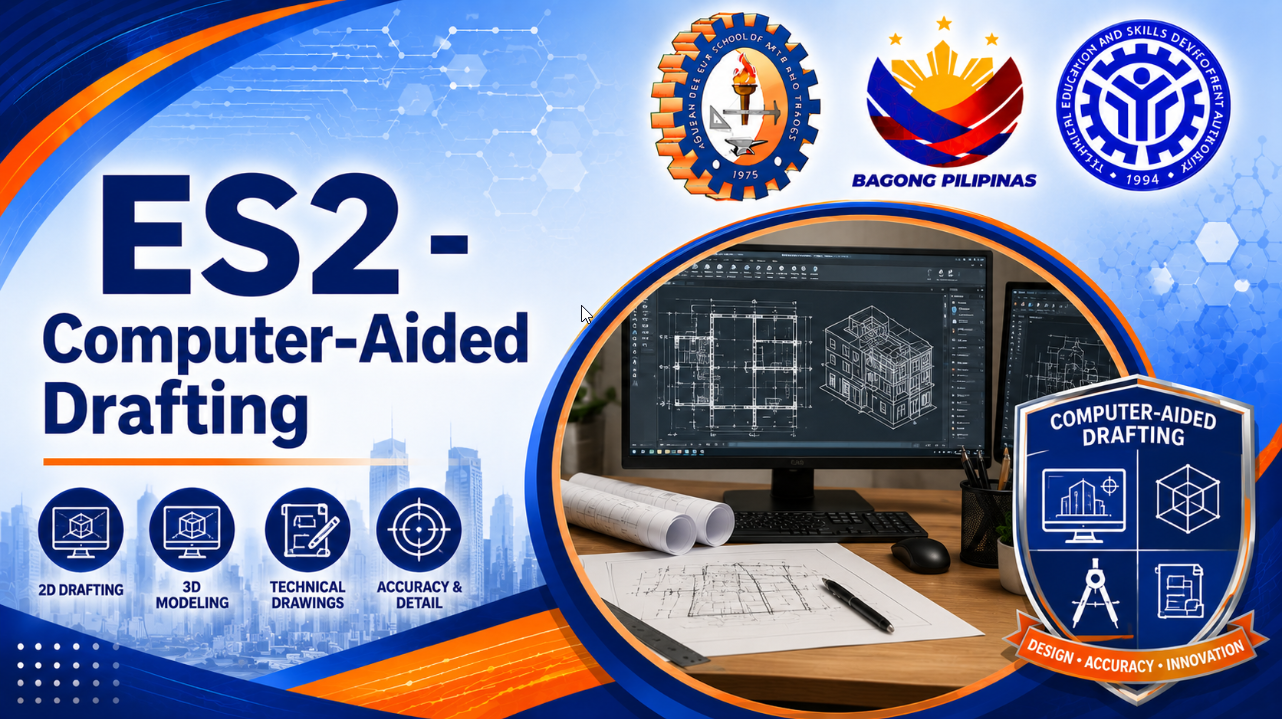
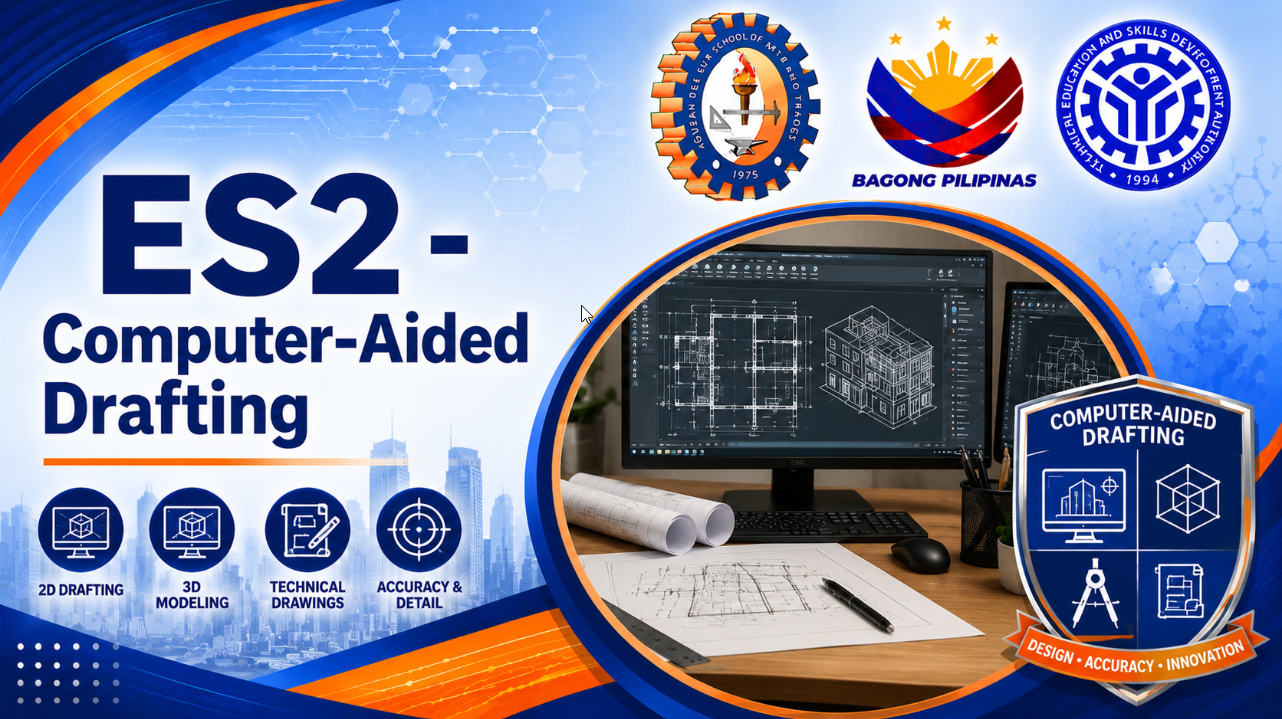
This course introduces students to the principles, tools, and techniques of Computer-Aided Drafting (CAD) as applied to technical and engineering drawing. It covers the evolution of drafting from manual to digital methods, CAD hardware and software environments, precision 2D drawing and editing techniques, dimensioning and annotation standards, multiview and sectional drawing conventions, sheet layout and plotting, and an introduction to 3D solid modeling. Emphasis is placed on developing accuracy, adherence to drafting standards (ANSI/ISO), and readiness for CAD applications in architecture, engineering, and manufacturing. Through hands-on plate exercises, students progressively build a complete drafting portfolio, culminating in a 3D solid model derived from their own 2D work.
- Teacher: LONIE REX T. ESCOBAR
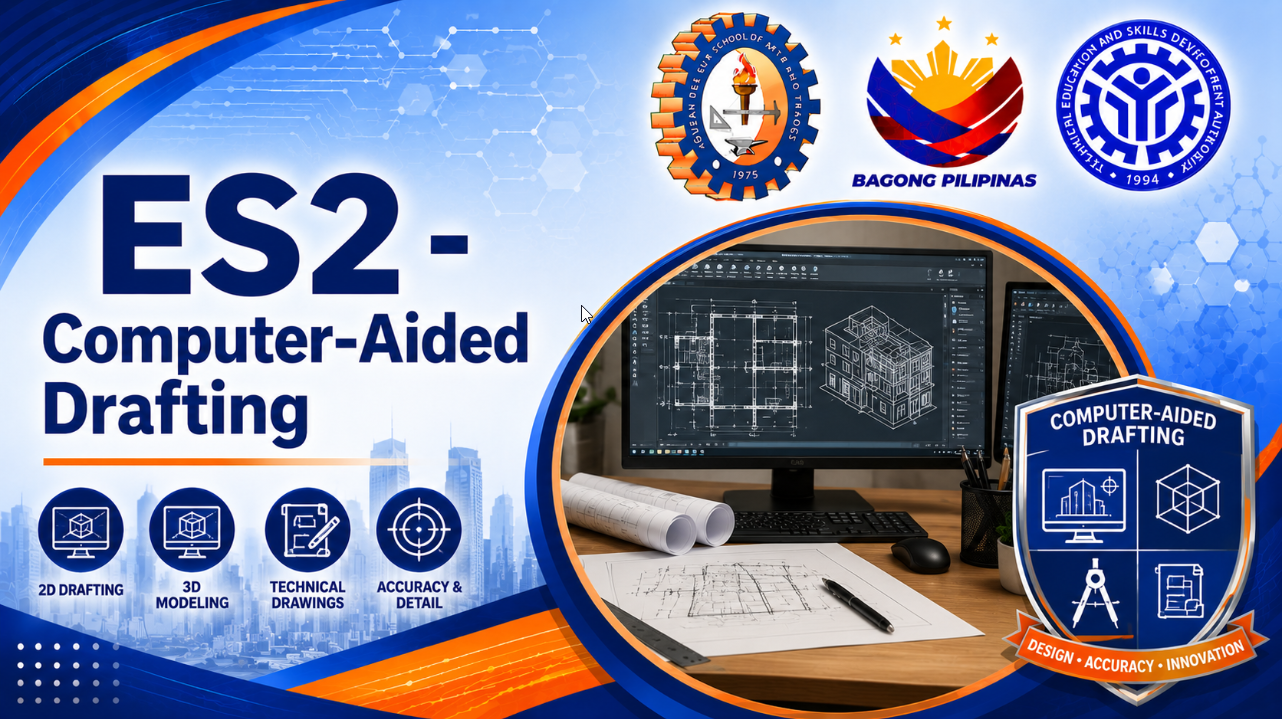
This course introduces students to the principles, tools, and techniques of Computer-Aided Drafting (CAD) as applied to technical and engineering drawing. It covers the evolution of drafting from manual to digital methods, CAD hardware and software environments, precision 2D drawing and editing techniques, dimensioning and annotation standards, multiview and sectional drawing conventions, sheet layout and plotting, and an introduction to 3D solid modeling. Emphasis is placed on developing accuracy, adherence to drafting standards (ANSI/ISO), and readiness for CAD applications in architecture, engineering, and manufacturing. Through hands-on plate exercises, students progressively build a complete drafting portfolio, culminating in a 3D solid model derived from their own 2D work.
- Teacher: LONIE REX T. ESCOBAR
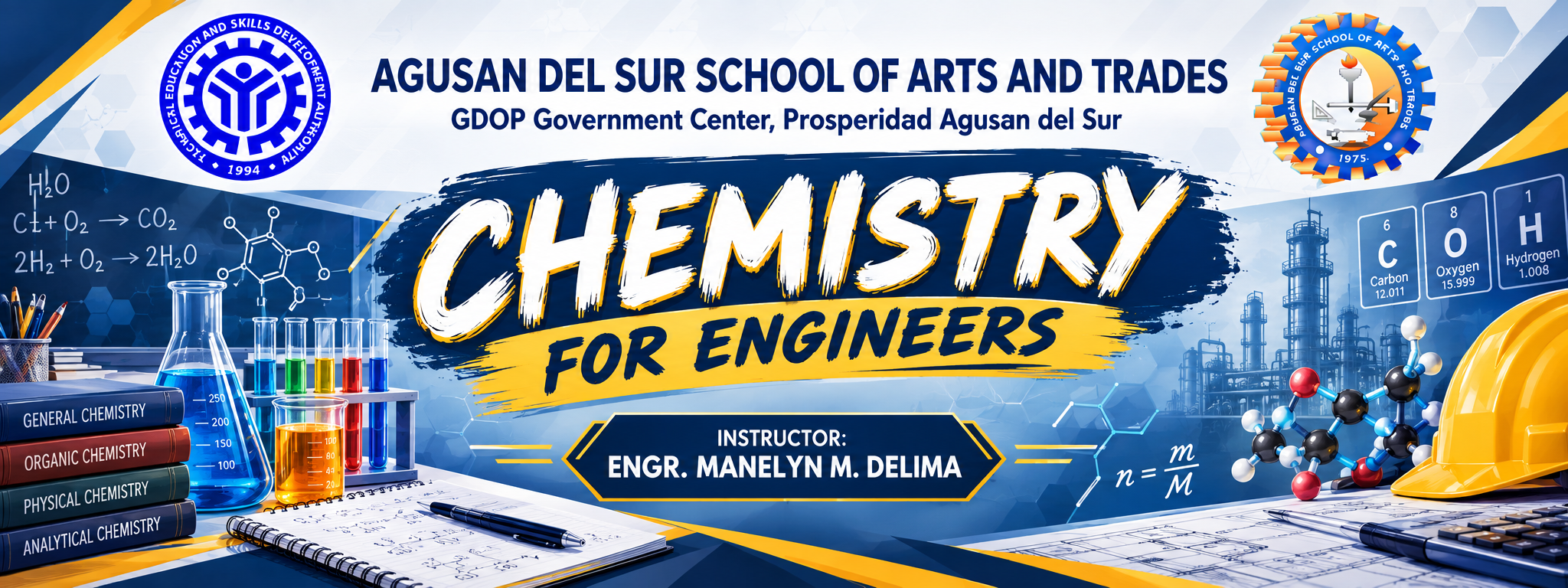
This course covers the basic concept of matter and its classification, mass relationships in chemical reactions; properties of gases, liquid and solids; concepts of thermochemistry; quantum theory and electronic behavior; periodic relationship of elements in the periodic table; intermolecular forces; and solutions.
- Teacher: MANELYN DELIMA
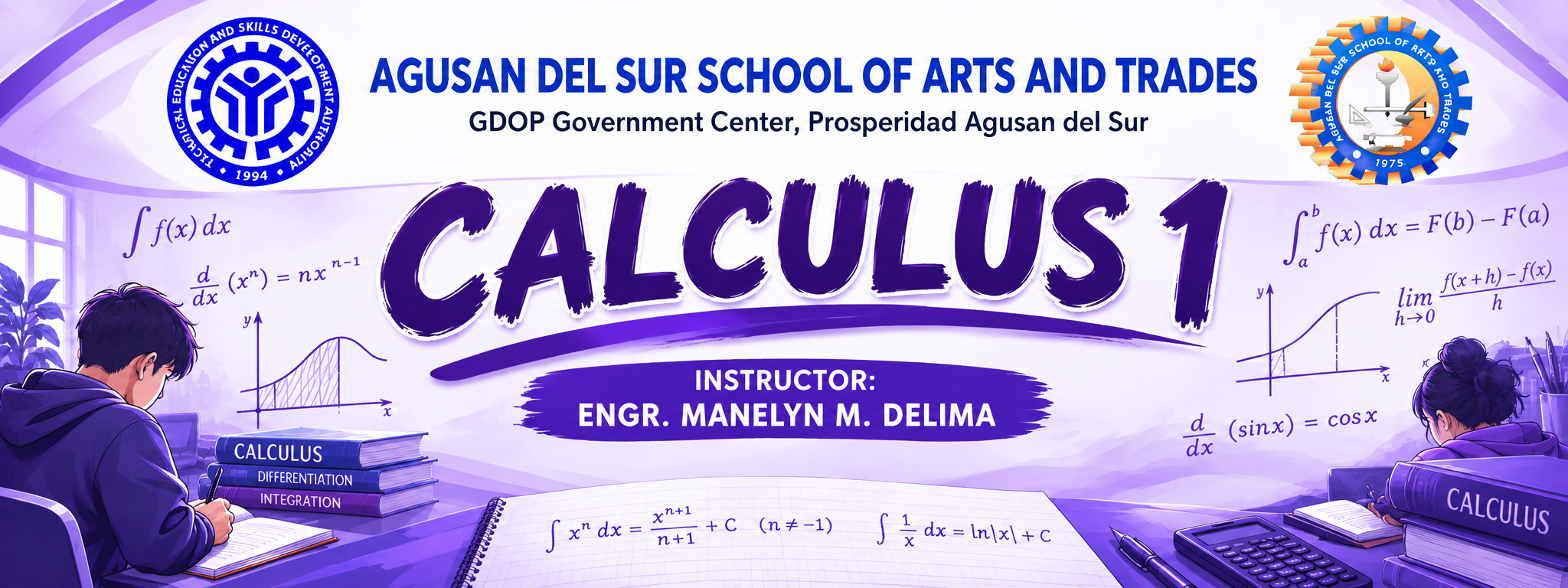
This course covering the core concepts of limit, continuity and differentiability of functions involving one or more variables. This also includes the application of differential calculations in solving problems on optimization, rates of change, related rates, tangents and normal, and approximations; partial differentiation and transcendental curve tracing.
- Teacher: MANELYN DELIMA
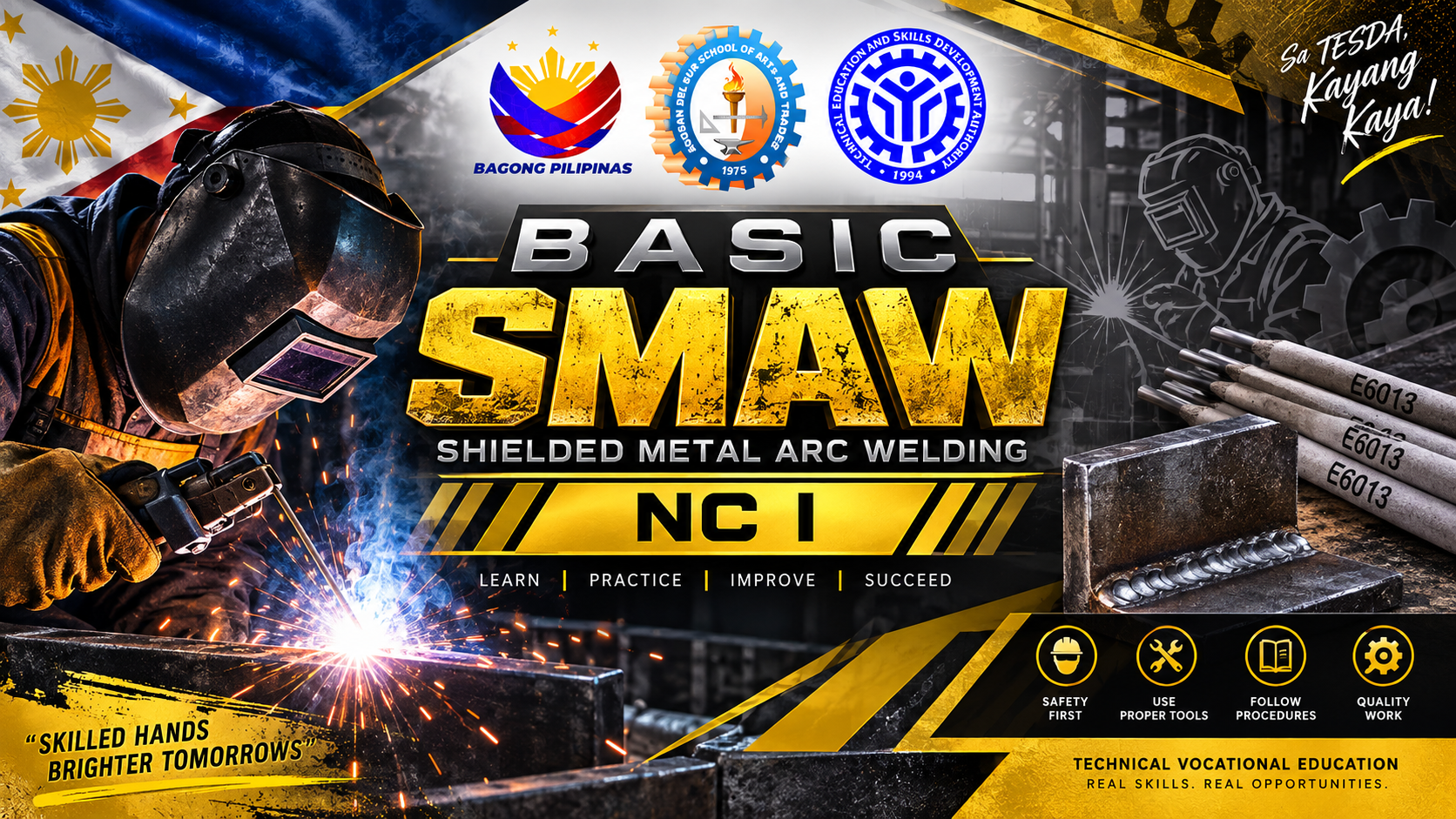
This course deals with the principles and application of Shielded Metal Arc Welding (SMAW) operations and procedures. It is designed to enhance the Knowledge, Skills and proper Attitude of SMAW welder in accordance with industry standards. It covers competencies such as Apply Safety Practices, Interpret Drawing and Sketches, Perform Industry Calculation Contribute to Quality System, use hand tools, set up welding equipment, prepare weld materials, fit-up weld materials, Safety practices, Repair welds and Weld Alloyed Steel Plates using SMAW.
- Teacher: JASON PUJEDA